
Homes for Sale Near Notre Dame
More space. More privacy. More parking. For some buyers, a traditional home simply fits the way they want to experience Notre Dame better.
From walk-to-campus homes to larger properties just a few minutes away, I help buyers compare the factors that actually matter — location, condition, parking, neighborhood, intended use and long-term resale.
Homes for Sale Near Notre Dame
Explore current single-family homes for sale near the University of Notre Dame. Inventory can change quickly—especially for homes close to campus—so the listings below are usually the best place to start.
Looking for something specific? Distance to campus, parking, condition, neighborhood and price can make a significant difference when comparing Notre Dame-area homes.

Listed by Tyler Glenn of Tiffany Group Real Estate Advisors LLC

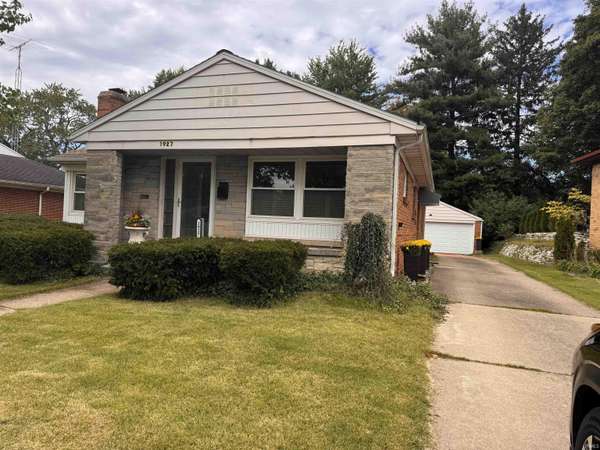
Listed by Lisa Reynolds of Weichert Rltrs-J.Dunfee&Assoc.
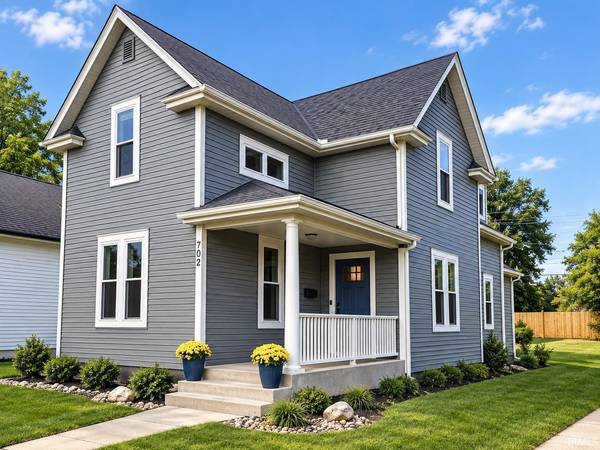
Listed by Monica Robinson of Red Bow Realty

Listed by Shaquia Hairston of Heartfelt Homes Realty

Listed by Drew Overmyer of At Home Realty Group

Listed by Abram Christianson of Howard Hanna SB Real Estate
Some buyers need a very specific combination of distance to Notre Dame, parking, condition and price. Tell me what matters most and I can help narrow the search.
The right house isn't always the one closest to campus.
Buyers often begin with one question: “How close can I get to Notre Dame?” That's a reasonable place to start — but it usually isn't the question that determines which home is actually the best fit.
A few blocks can change the walking route, parking situation, neighborhood feel, traffic patterns and the type of home available. And once you compare an updated house with a garage to an older property that's several minutes closer to campus, the decision can become much less obvious.
That's where knowing the Notre Dame area at the street level becomes useful. I help buyers compare the tradeoffs before they decide what they're willing to pay a premium for — and what they aren't.
Four questions worth answering first
Do you truly need to walk?
Or would you trade a few extra minutes for more space, newer construction or a garage?
Compare Notre Dame walkability →How will you use the home?
Full-time residence, Notre Dame weekends, family use and potential rental use can produce very different searches.
How important is parking?
Near campus, a garage, driveway and additional off-street parking may be more valuable than buyers initially expect.
Read the Notre Dame parking guide →How much updating are you comfortable with?
Some of the closest homes have tremendous character — but age, condition and renovation quality need to be part of the value equation.
Updated vs. renovated vs. move-in ready →How will you use your Notre Dame home?
The best property for someone coming back six weekends a year may look very different from the right home for a family, full-time resident or investor. Before narrowing by price or distance, it helps to understand what you need the property to do.
A home base when you come back to Notre Dame
Maybe you're tired of booking hotels, coordinating around football weekends or wondering where everyone will stay. A house can offer something a hotel can't: your own space, familiar surroundings and room for family and friends.
A property that works during the college years — and after
Parents often start by thinking about where their student will live. I usually encourage them to think one step further: what happens to the property after graduation?
Living near Notre Dame without making Notre Dame the only priority
If this will be your full-time home, game-day proximity is only part of the decision. Neighborhood feel, yard space, garages, updates, everyday traffic and access to the rest of South Bend may matter considerably more.
Start with the use rules — then run the numbers
Rental potential can be attractive near Notre Dame, but projected income shouldn't be the first assumption. Before evaluating returns, we need to understand whether the intended use is permitted and whether the property itself makes sense for that strategy.
You don't need to have it figured out before you start looking.
I'm just curious — if you owned a place near Notre Dame, how do you picture yourself using it most often?
Older home doesn't mean bad home.
Some of the homes buyers love most near Notre Dame are also some of the oldest. Original hardwood, mature neighborhoods and walkability can be difficult to reproduce with newer construction. The real question isn't simply how old the house is — it's what has been done, what hasn't, and whether the price reflects both.
Look past the kitchen first.
Fresh cabinets, new flooring and modern fixtures are easy to see. The expensive parts of an older home usually require a little more investigation.
Roof & Exterior
Age, condition, drainage, gutters, siding and exterior maintenance can tell you much more than curb appeal alone.
Basement & Water
Look for evidence of moisture, drainage issues, foundation movement and how water is managed around the property.
Electrical & Plumbing
A remodeled kitchen doesn't necessarily mean the wiring, service panel, supply lines or drains were updated with it.
Heating & Cooling
Furnace, air conditioning, water heater and distribution systems deserve attention — especially when you're buying a home you may not occupy every day.
Windows & Insulation
Original windows can add character, but comfort, efficiency and future maintenance should still be part of the decision.
Renovation History
Find out what was actually replaced, who performed the work and whether the renovation addressed the house itself or primarily changed how it looks.
It's to know what you're actually buying.
An older home with good bones, thoughtful updates and the right location may be a much better purchase than a newer-looking home with expensive issues still hiding underneath the finishes.
How close to Notre Dame do you really need to be?
“Close to campus” can mean very different things depending on how you plan to use the home. If walking to Notre Dame is the priority, the actual route matters. If you'd rather have a garage, larger yard, more space or a different style of home, moving a little farther out may open up better options.
Start with the destination — not the radius.
A map may say a home is a half-mile from Notre Dame, but that doesn't necessarily mean a half-mile walk to the part of campus you'll actually use.
Campus entrances, sidewalks, street crossings and your usual destination can all affect what “walkable” feels like in real life.
Explore the Notre Dame Walkability Map →The neighborhood can matter as much as the distance.
Buyers looking around 46617 encounter everything from historic streets and established neighborhoods to renovated homes and newer infill.
Two homes at a similar distance from Notre Dame can offer very different parking, lot size, architecture, traffic patterns and day-to-day ownership experiences.
Explore South Bend 46617 →A few extra minutes can change the search considerably.
If walking isn't essential, you may be able to prioritize garage space, yard size, condition, layout or neighborhood character instead of paying primarily for campus proximity.
For some buyers, the better Notre Dame home is the one that's slightly farther away but fits how they'll actually use it.
Compare Current Homes →Start comparing the areas around campus.
Rather than choosing a neighborhood from a map alone, compare the type of home, setting and ownership experience each area can provide.
Harter Heights
A popular consideration for buyers who place a high value on campus proximity, architectural character and walkability.
Coquillard Woods
An established residential option worth comparing when you want convenience to Notre Dame while still considering neighborhood setting, lot size and the home itself.
North Shore Triangle
Historic architecture and St. Joseph River access create a different lifestyle option for buyers who want proximity to both Notre Dame and downtown South Bend.
What about The Triangle at Eddy Commons?
The Triangle is one of the most visible residential neighborhoods near Notre Dame, so buyers looking for a house close to campus may reasonably expect to see it included above.
There's an important reason it isn't: homes in The Triangle are subject to a primary-residence requirement.
Because of that restriction, The Triangle is not an appropriate option for a buyer seeking a Notre Dame second home, game-day residence or other occasional-use property.
A property can be close to Notre Dame, look perfect online and still be incompatible with the way you intend to use it.
Location is only one part of the search. Ownership restrictions matter too.That's usually easier to answer once we know how often you'll use the home, whether you truly need to walk, how important parking is and what you may be giving up to get closer to campus.
What have homes near Notre Dame actually sold for?
Active listings tell you what sellers are asking. Recent sales provide the other half of the picture — what buyers have actually been willing to pay for homes near Notre Dame.
Near Notre Dame, two homes of similar size can sell very differently because of walkability, parking, condition, renovation quality, lot size, layout and the specific location.
The closest comparable isn't always the best comparable.
When I'm evaluating a home near Notre Dame, I want to understand not just what sold nearby, but why one property commanded more than another. That's especially important in an area where location, parking and condition can change significantly within only a few blocks.
Not sure a house is the right fit?
A single-family home can provide more privacy, outdoor space, parking and flexibility — but it also comes with more exterior maintenance and responsibility.
If you'd rather have a more lock-and-leave setup, shared exterior maintenance or community amenities, a condo may make more sense for the way you plan to use your Notre Dame property.
House or condo?
- Private outdoor space
- Garage and driveway parking
- More separation and privacy
- Control over exterior maintenance
- Lower exterior maintenance
- Lock-and-leave convenience
- Shared amenities
- A simpler second-home setup
A few things worth knowing before you buy.
Buying near Notre Dame can involve questions that don't come up in every home search. These guides can help you dig deeper into the details that matter most.
Notre Dame Walkability Map
Compare proximity to campus and think beyond straight-line distance.
Parking Near Notre Dame
Why driveway space, garages and game-day parking deserve more attention.
Is Renovation Worth the Premium?
Understand the difference between meaningful renovation and cosmetic updating.
Indiana Property Taxes
Learn why taxes can change after a purchase and what buyers should anticipate.
Mortgage & Financing
Explore financing considerations for a primary home or second-home purchase.
Notre Dame Real Estate Guide
Return to the main Notre Dame hub for condos, investing and additional resources.
Questions buyers ask about homes near Notre Dame.
Every Notre Dame home search is a little different, but these are some of the questions that come up most often when buyers begin comparing houses near campus.
How close to Notre Dame should I buy? +
It depends on how you plan to use the home. If walking to campus is important, the actual walking route and campus entrance matter more than a simple radius on a map. If walking is less important, moving a little farther away may give you more choices in parking, yard size, condition and layout.
Compare Notre Dame walkability →Can I buy a house near Notre Dame as a second home? +
Many homes near Notre Dame can be purchased and used as second homes, but buyers should not assume that every property allows the same ownership or occupancy structure. Certain developments may have primary-residence or other use requirements, so those should be confirmed before making a purchase decision.
Why isn't The Triangle at Eddy Commons included with the other neighborhoods? +
The Triangle has a primary-residence requirement, which makes it different from many of the homes considered by Notre Dame second-home and game-day buyers. If your intended use is anything other than a primary residence, the applicable ownership and occupancy requirements should be reviewed before considering a property there.
Can I rent out a home near Notre Dame? +
Potential rental use should be verified property by property. Zoning, local regulations, deed restrictions and other rules may affect what is permitted. If rental income is part of your plan, I recommend confirming the intended use before evaluating projected returns.
Explore Notre Dame investment properties →Should I be concerned about buying an older home near Notre Dame? +
Not simply because of its age. Many older homes near Notre Dame have features and locations that are difficult to reproduce. The more important questions involve condition, maintenance and what has been updated over time — including the roof, electrical, plumbing, HVAC, basement, windows and drainage.
Is a renovated home near Notre Dame worth paying more for? +
It can be. The key is understanding whether the premium reflects meaningful improvements, good workmanship, updated major systems and a desirable location — or primarily cosmetic changes. A home that looks newer isn't necessarily the same thing as a thoroughly renovated home.
Read: Is a renovated home worth the premium? →How important is parking when buying near Notre Dame? +
Parking can become a significant part of the decision, particularly for a home used during Notre Dame events. A garage, private driveway and additional off-street spaces may make one property considerably more practical than another with similar square footage or distance from campus.
Read the Notre Dame parking guide →Is a house or condo better for a Notre Dame second home? +
Neither is automatically better. A house may provide more privacy, outdoor space and parking, while a condo may offer lower exterior maintenance and a more lock-and-leave ownership experience. The better choice depends on how frequently you'll use the property and how much ongoing responsibility you want.
Compare Notre Dame condos →Let's narrow down what actually makes sense for you.
You don't need to know the exact neighborhood, distance from campus or even whether you want an older home or something completely renovated before we talk.
If you tell me how you expect to use the property, what matters most to you and what you'd rather avoid, I can help you focus on the homes that deserve your attention — and eliminate the ones that don't.
Three things I’d want to know:
How will you use the home? Primary residence, Notre Dame weekends, family use or investment?
How important is walking? Is it essential, preferred, or simply a nice bonus?
What are you unwilling to compromise on? Parking, condition, bedrooms, yard, garage, location or something else?